Insights
- Public Sector - Political country risk
African politics: the case of Benin and Senegal
26 May 2026
This week, two West African countries, Senegal and Benin, told completely different stories about where Africa may be heading politically.
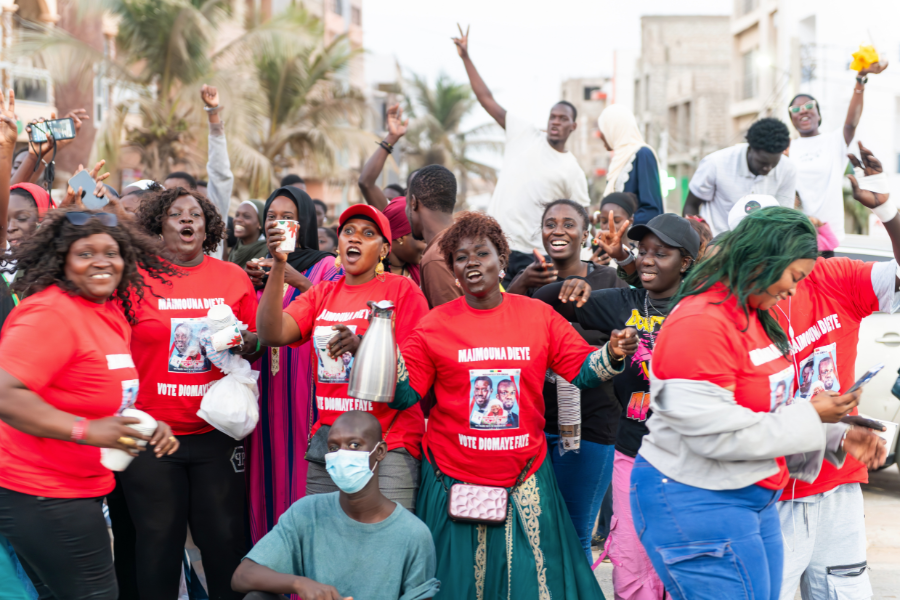
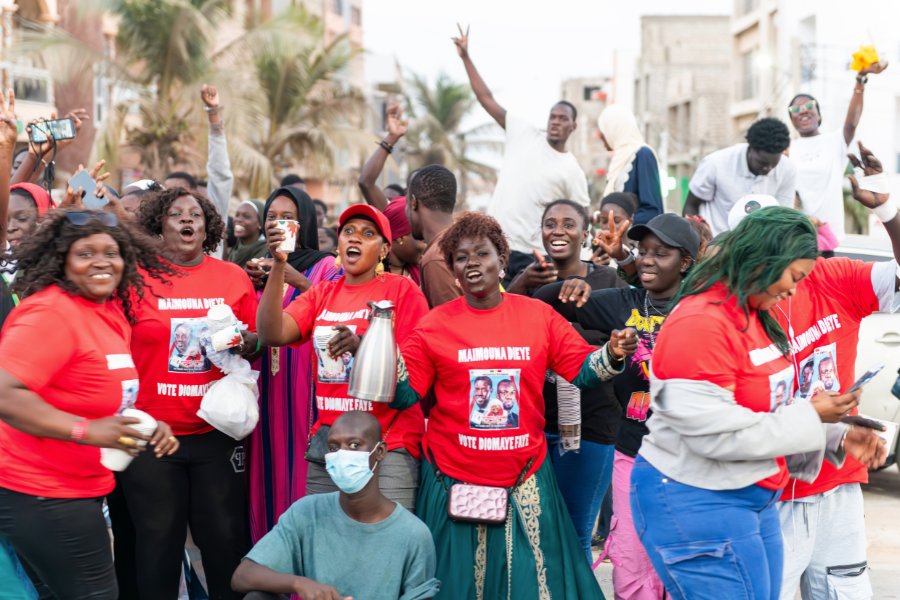
In Senegal, the political divorce between President Bassirou Diomaye Faye and his former Prime Minister Ousmane Sonko continued to escalate. The latest twist is that Sonko may now become President of the National Assembly — effectively giving Senegal two competing centres of power. One man controls the presidency. The other could control parliament.
Meanwhile in Benin, something refreshingly boring happened.
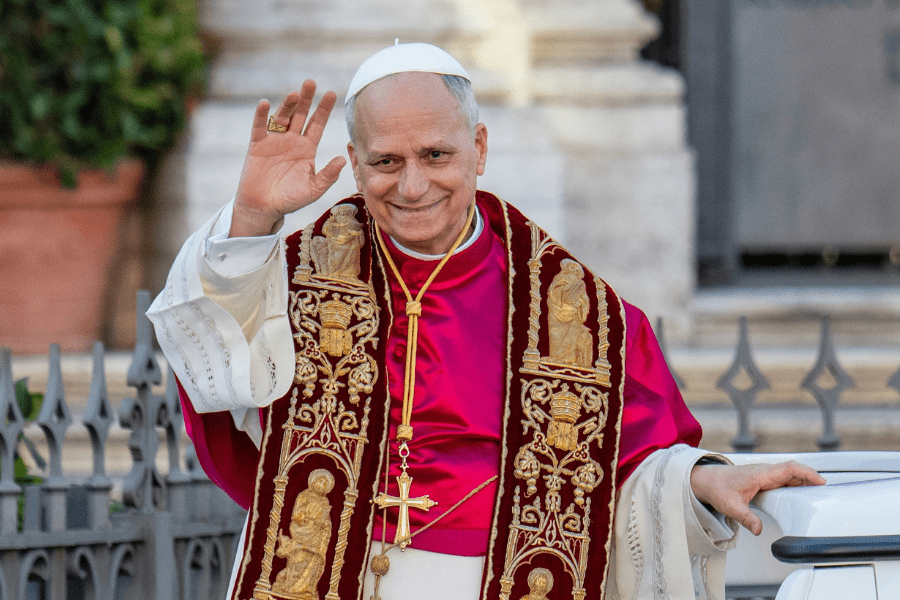
Patrice Talon stepped down after serving his constitutional two terms and handed over power to Romuald Wadagni, his long-time ally and former finance minister. No drama. No constitutional gymnastics. No “the people are begging me to stay.” No last-minute referendum. Just a leader leaving office and going home to enjoy the fortune he made before politics.
Honestly, Africa needs more boring.
Chaos in Dakar v Stability in Cotonou
The contrast between the two countries could not be sharper.
Senegal increasingly looks like the Africa global investors have become accustomed to: political uncertainty, personality-driven politics, factional battles, and the risk of institutional paralysis.
Benin, on the other hand, is quietly moving in the direction normally associated with mature democracies: leadership succession, institutional continuity, and policy predictability.
One feels like a Netflix political thriller.
The other feels like Germany.
And that matters far more than Africans sometimes realise.
Senegal: Revolution Meets Reality
Senegal’s situation is fascinating because it reflects a broader African pattern. Opposition figures are often excellent at mobilising frustration. Governing, however, is a completely different skill.
Sonko became wildly popular because he spoke to a generation of young Senegalese frustrated by unemployment, inequality, corruption, and a sense that the political elite had captured the state. He positioned himself as anti-establishment, anti-corruption, anti-French influence — essentially the political embodiment of “enough is enough.”
The problem is that revolutions are easier to start than to manage.
Once in power, movements suddenly have to deal with debt markets, IMF negotiations, civil service realities, investor confidence, and the unpleasant arithmetic of government finances. It is one thing to give fiery speeches about sovereignty. It is another to stabilise a budget.
Now Senegal risks entering a political chess match where neither side can fully checkmate the other. If Sonko takes over parliament, President Faye may technically lead the country while still being constrained by the man who made him president in the first place.
That is not a recipe for stability.
And markets hate uncertainty more than almost anything else.

Benin: The Power of Leaving
Benin’s story is arguably more important — even if less dramatic.
Patrice Talon reportedly transformed Benin’s economy and infrastructure during his time in office. Roads improved. Electricity supply is stable. Public finances strengthened. Investor confidence rose. Cotonou increasingly began to look organised and functional by regional standards.
But perhaps his most important achievement was simply leaving.
Africa has normalised leaders overstaying. Some amend constitutions. Others argue only they can preserve stability. Some stay so long that succession itself becomes a national security issue.
Talon did the opposite.
Because he already had wealth and stature before politics, he never appeared psychologically dependent on the presidency for identity or survival. That changes incentives enormously. Instead of clinging to office, he could focus on legacy.
And now Benin gets something rare in African politics: continuity without chaos.
Romuald Wadagni is expected to continue much of Talon’s economic approach. He wasted no time appointing his cabinet. Investors like that. Businesses like that. Citizens eventually benefit from that too.
The irony is that predictable politics often produces far more long-term prosperity than charismatic politics.
The Real Lesson: Institutions v Personalities
The deeper issue here is not Senegal versus Benin. It is institutional politics versus personality politics.
Countries become successful when systems matter more than individuals.
Western democracies are not stable because they magically produce better politicians. They are stable because institutions are stronger than personalities. Presidents and prime ministers come and go, but the broader direction of the country remains relatively predictable.
Africa still struggles with this.
Too many political systems revolve around individuals rather than institutions. Elections become existential. Political movements become personality cults. Successions become crises. Governments swing dramatically depending on who is in power.
That uncertainty has a real economic cost.
Investors can handle difficult environments. What they struggle with is unpredictability.
The countries that will win over the next twenty years are not necessarily those with the loudest leaders or biggest speeches. They will be the countries that create predictable systems, smooth transitions, and institutional trust.
This week, Senegal and Benin offered two very different visions of Africa’s future.
One looks familiar.
The other looks promising.
Want to keep abreast with developments in Africa? We provide companies with bespoke market intelligence. Check out our Services or contact us at hello@ongolo.com