Insights
- Public Sector - Country Branding Strategies
Reimagining Livingstone To Be Africa’s Bali
21 April 2026
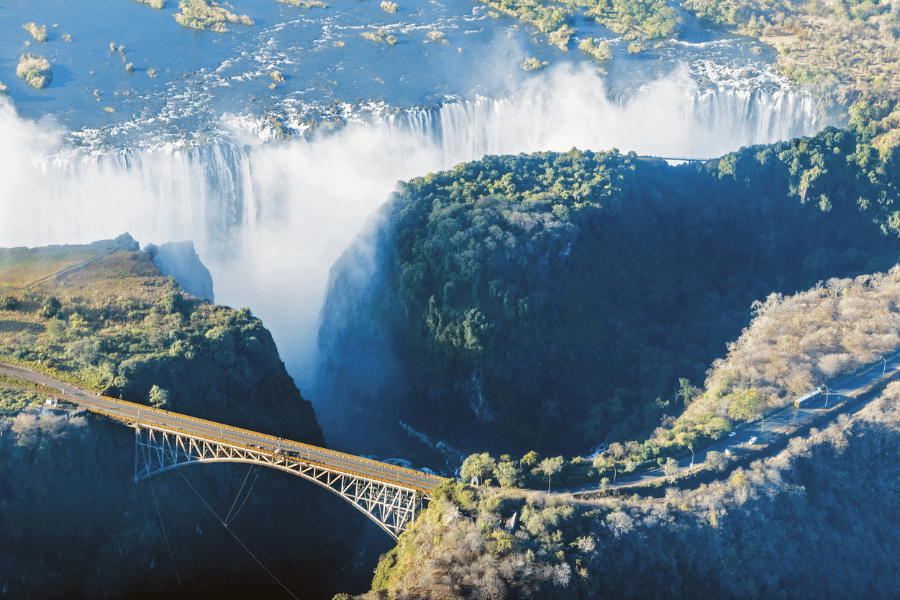
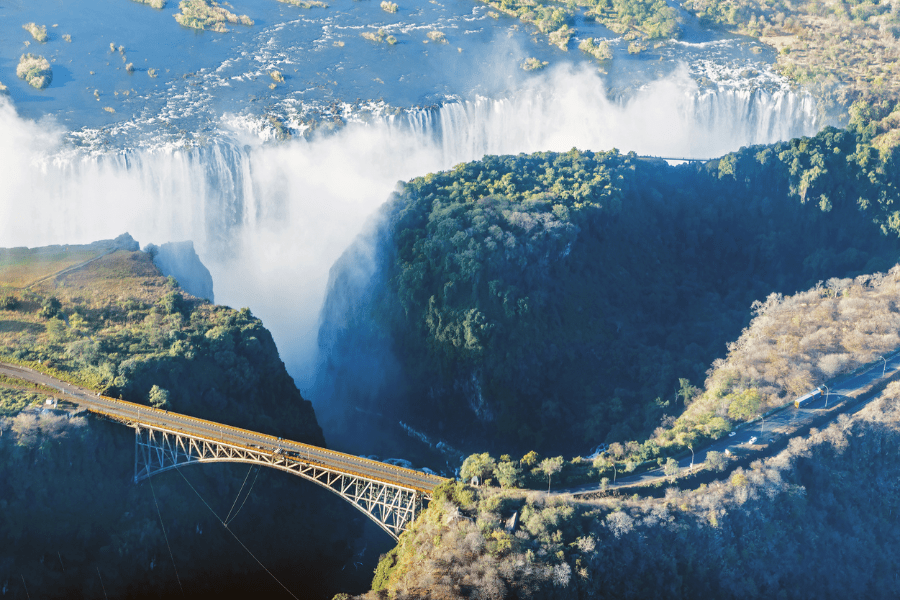
There is no polite way to say this: Livingstone is under-delivering on one of the world’s greatest natural assets. The presence of Victoria Falls should make this town one of the most visited destinations on the planet. Instead, it functions as a short-stay stop—an item to tick off a list rather than a place to return to. Visitors arrive, see the Falls, perhaps take a sunset cruise on the Zambezi, and then they leave. The problem is not demand. It is design.
Across the world, destinations such as Thailand and Bali in Indonesia have mastered the art of turning a natural attraction into an ecosystem. They have understood something fundamental that Livingstone has not yet operationalised: tourists are not travelling for scenery alone. They are travelling for a continuous experience—morning, afternoon, evening, and night. The attraction is simply the anchor. The real value lies in everything built around it.
Livingstone: From Attraction to Ecosystem
In Thailand, a visitor landing in Bangkok or heading to Phuket is immediately absorbed into a rhythm of activity. The day does not need to be planned in advance because the destination itself provides the structure. There are temples, markets, spas, cafés, shopping districts, and beach clubs that create a seamless flow from morning to night. In Bali, the same logic applies in places like Ubud and Seminyak, where culture, wellness, and leisure are layered into a single experience. A visitor can return five times and have five entirely different trips.

Livingstone, by contrast, remains anchored to a single core activity. Once the Falls have been experienced, the destination struggles to answer a simple but critical question: what next? This absence of a structured, multi-day experience is what keeps average stays short and repeat visits low. Tourism, at its core, is about momentum. When that momentum stalls, the destination feels complete too quickly.
Food Is Not a Side Offering - It Is The Experience
One of the most striking differences between high-performing tourism markets and Livingstone is the role of food. In Thailand, cuisine is not simply nourishment; it is entertainment, identity, and daily ritual. Dishes such as Pad Thai or Tom Yum are not confined to restaurants—they are woven into the streets, night markets, and social fabric of the country. Eating is something you go out to do, not something you happen to do between activities.

Livingstone has not yet made this shift. Too many restaurants default to generic international menus, often poorly executed, while underplaying the richness of Zambian cuisine. It is not uncommon to encounter uninspired Western dishes—being served soggy pasta on the banks of the mighty Zambezi river is not trivial, it is symptomatic. When a destination fails to present its own food culture with confidence, it weakens its identity.
Food culture reflects a nation's identity
There is also a deeper issue of mindset. Around the world, culinary identity is often built by elevating what was once considered ordinary. The French, for example, have turned snails and pigeons into delicacies—dishes that are now globally recognised and premium-priced. Zambia has its own equivalents. Why should inswa (flying ants) or caterpillars not be positioned as seasonal, high-value delicacies? Why are these foods hidden or treated as curiosities rather than celebrated as part of a national culinary story? Why do most hotels and restaurants have foreign chefs (usually white males)?
Even more basic choices reflect this disconnect. In many bars, it is still standard to serve imported potato crisps when local, healthier, and more interesting alternatives exist—cassava, groundnuts, roasted maize. These are not minor details. They signal whether a destination believes in its own identity.

Zambian social life already revolves around food. Weekends are defined by gatherings, barbecues, and shared meals. Yet this culture has not been translated into the tourism experience. Livingstone should be a place where visitors can participate in that lifestyle—open-air grills, riverfront braais, communal dining, food markets that come alive every evening. What is currently packaged as an occasional “Boma night” should become a daily, city-wide feature. Food should not fill gaps in the itinerary; it should anchor it.
The Missing Middle: What Do You Do All Day?
The strength of destinations like Bali and Thailand lies in their ability to fill time. They understand that tourism is not built on highlights but on continuity. A visitor does not remember only the major attraction—they remember how easy it was to find things to do in between.

Livingstone currently lacks this continuity. The experience between major activities is thin, and that creates long periods of inactivity. This is where leisure infrastructure becomes critical. Riverfront beach clubs, poolside venues, wellness centres, curated cultural performances, and interactive experiences would transform the texture of a visitor’s day. The goal is not simply to add attractions, but to create a rhythm that carries visitors from morning to night without friction.
Hobbies, Lifestyle, and the Economics of Repeat Tourism
The next layer of tourism—often overlooked—is hobbies. This is where repeat visits are built and where higher-value tourists are captured. Across the border, Zimbabwe has the Elephant Hills Golf Course, designed by Gary Player. Golf tourism is not casual; it is habitual. Players travel specifically for courses, return regularly, and spend consistently. Why not create a Zambia Masters?
Livingstone has the potential to develop its own flagship golf offering and position itself within the global golf tourism circuit. But beyond golf, there is an opportunity to create signature events that anchor the destination culturally and socially. An African equivalent of the Henley Royal Regatta, staged on the Zambezi and built around universities, sponsors, and social prestige, could become a defining annual moment. These are not simply events; they are brand assets.

At the same time, domestic tourism must be taken seriously. International tourism is volatile, but local and regional visitors provide stability. The model seen in places like Muskoka, Canada—where families invest in weekend homes and return regularly—offers a powerful template. Livingstone could evolve into a leisure hub for Zambians and the broader region, with serviced plots, holiday homes, and a culture of weekend travel. This would fundamentally change demand patterns and reduce reliance on international arrivals.
The Night Economy: Where Livingstone Falls Silent
The most immediate gap in Livingstone is what happens after sunset. Evenings are quiet, options are limited, and the city lacks the energy that defines successful destinations. This is not a small issue. Tourism is a 24-hour economy, and the absence of a vibrant night scene compresses the overall experience.
The solution is not to replicate another city wholesale, but to adapt proven elements. Places like Las Vegas demonstrate the economic power of nightlife, entertainment, and gaming when properly regulated and integrated. Livingstone could develop a controlled but vibrant night economy with clubs, live music venues, late-night dining, and casinos. The objective is simple: ensure that every visitor has a compelling reason to go out at night. When nights are active, the destination feels alive. When they are not, the experience feels incomplete.
Price, Value and the Decisions Tourist Make
There is also a structural issue in pricing strategy. Many operators appear to optimise for margin per tourist rather than volume. This may work in the short term, but it limits scale. Destinations like Thailand have demonstrated that accessibility drives demand, and demand drives ecosystem growth. Livingstone must rethink its pricing model—not by undercutting itself, but by aligning price with value and expanding the overall market.

At present, Livingstone faces a difficult comparison. The pricing of hotels and experiences is often aligned with global destinations, yet the breadth and consistency of what is offered does not match. A visitor deciding how to spend $300 per night is not evaluating Livingstone in isolation; they are comparing it to Bali, Bangkok, or Phuket.
Radisson Blu in Livingstone did not live up to expectations
I spent $313 on my hotel room at the Radisson Blu Resort in Livingstone and a similar amount at the Waldorf Astoria in Shanghai. There is no comparison - the room quality and service standards in Zambia do not justify these rates. I scrapped my plans to write a hotel review because of the number of hiccups I faced, starting with my reservation made on the Radisson Rewards app a week prior, not appearing in the hotel system. These "synchronisation issues" also impacted the spa app.

The problem is not just abstract—it is visible in specific experiences. Tour operators can charge upwards of $50 for guided visits to Victoria Falls, when the underlying cost of access for an informed visitor is significantly lower. I took a Yango (K335 both ways), paid the K16 fee for a local tourist and spent less than $20.
The Livingstone Museum has itself become a Museum
Museum tours can be priced above $60, exceeding the cost of entry to world-class institutions such as the Louvre Museum. Yet the Livingstone Museum, while historically important, remains outdated and under-curated, offering limited justification for such pricing.
This creates a perception problem. Visitors are not just paying for access; they are paying for quality, storytelling, and depth. When those elements are missing, prices feel excessive regardless of the absolute amount. The issue is compounded by missed opportunities in heritage preservation.

The family of a retired South African banker who live in the Western Province of Zambia recently sold historical artefacts about Zambia's past, including correspondence with Cecil Rhodes, to a private collector which really should be housed in national institutions. This reflects a broader gap in how cultural assets are valued and presented. Museums should not be static repositories; they should be dynamic, world-class storytelling platforms.
From Destination to Platform: Who Will Build the New Livingstone
The transformation of Livingstone will not happen organically. It will require deliberate coordination between government, investors, and operators. Globally, successful destinations are rarely built by a single entity. They emerge from ecosystems anchored by a master developer and supported by a network of hospitality brands and experience providers.
Developers such as Emaar Properties and DAMAC Properties have demonstrated the ability to create entire districts that attract global attention. Hospitality groups like Marriott International, Accor, and Six Senses bring the standards, distribution, and service culture required to meet international expectations. At the high end, brands such as Aman Resorts can position Livingstone within the global luxury circuit.
More importantly, Livingstone needs quality, affordable accommodation to ensure that ordinary Zambians and budget travellers from abroad, who cannot afford $300 a night, can enjoy the city too. This is something Bali does so well.

Equally important are entertainment and lifestyle operators. Without them, a destination risks becoming a collection of hotels rather than a place people travel for. Companies such as Hard Rock International or Caesars Entertainment understand how to create energy, programming, and demand. Their presence signals that a destination is not just scenic, but alive.
African developers and investors must also play a central role. Firms like Actis and Rendeavour bring local knowledge and execution capability. The most effective model is likely to be a partnership between international capital and African expertise, combining scale with context.
Digital Nomads: The Always-On Demand Engine
Beyond traditional tourism, Livingstone has an opportunity to tap into one of the fastest-growing global segments: remote workers. Digital nomads are not tourists in the conventional sense. They stay longer, spend more consistently, and integrate into the local economy. Bali’s rise, in particular, has been driven as much by long-stay visitors as by short-term tourists.
Livingstone offers a compelling proposition: a high-quality natural environment, a relatively low cost of living, and proximity to multiple countries. With the right infrastructure—reliable internet, co-working spaces, flexible visas, and well-designed long-stay accommodation—it could position itself as Africa’s remote work hub. The appeal is not just the destination itself, but what surrounds it. A visitor could work during the week and explore Zimbabwe, Botswana, or Namibia on weekends. This combination of productivity and exploration is powerful and largely untapped in the African context.
SADC Integration: Turning Borders into Bridges
The final—and perhaps most transformative—opportunity lies beyond Zambia itself. At present, borders within Southern Africa often act as barriers to tourism. They slow movement, create administrative friction, and limit the ability of visitors to experience the region as a whole. This is a missed opportunity.
Through coordination under the Southern African Development Community, these barriers could be reduced significantly. A unified tourist visa (like a Schengen, simplified border processes, and cross-border car rental protocols (one can use the same rental car in South Africa, Namibia and Botswana but not Zambia) would allow visitors to move seamlessly across multiple countries. Instead of a two- or three-day visit to Livingstone, tourists could embark on ten- to fourteen-day journeys across the region.
In this model, Livingstone becomes more than a destination. It becomes a gateway. The Falls draw visitors in, but the broader regional experience keeps them engaged. This shift—from national tourism to regional tourism—would dramatically increase length of stay, spending, and overall economic impact.
Final Word on Livingstone

Livingstone is not lacking in natural beauty. It is lacking in intentionality. The ingredients are already there: the river, the climate, the geography, and the cultural depth. What is required now is coordination, investment, and a willingness to rethink tourism as a designed experience rather than a passive offering.
The Falls will always be the hook. But they are not the business model. The business model is everything that surrounds them—food, culture, leisure, nightlife, hobbies, and the ability to create a seamless, engaging experience from the moment a visitor arrives to the moment they leave.
The Falls bring people once.
It is everything else that brings them back.
If Zambia gets this right, Livingstone will not simply compete with Bali. It will define a new model for tourism in Africa—one built on experience, integration, and ambition.
ONGOLO Inc FZE develops country branding strategies as part of our Services. Contact us on hello@ongolo.com